Put Data and Control Where Customers Need Them
Your customers don’t all operate in the cloud. The challenge is designing a connected product that works securely and reliably wherever it’s deployed.
Twisthink engineers on-premises, edge, and hybrid connected systems that let customers control where data is processed and stored, what leaves the site, and what keeps working when cloud access is restricted.
The Challenge
Customer IT and security requirements are blocking deployment of your cloud-only product.
Many connected products are designed with a cloud-first architecture. But not every customer is willing—or able—to send operational data outside their environment. Security policies, data residency requirements, unreliable connectivity, and latency concerns often require applications to run locally instead of in the cloud.
Common challenges include:
 Customers require IoT data to remain on-site


 The product requires lower latency than a cloud-based solution can provide
 Cloud storage and data transfer costs become difficult to justify
 Internal teams have cloud expertise but limited experience building edge or on-premises solutions
Build products your customers can actually deploy.
Design your connected product around your customer’s environment.
Twisthink helps companies build connected products that work where customers need them to work.
Rather than forcing every application into the cloud, we determine where data should be processed, stored, and managed based on security, performance, reliability, and cost.
Whether the right solution is edge, on-premises, cloud, or a hybrid architecture, we design systems that fit the deployment—not the other way around.

The Path to
Flexible Deployment
A flexible deployment strategy gives customers the control they need without sacrificing the connected experience.
- Understand customer requirements
- Design the right architecture
- Build resilient applications
- Deploy securely
- Optimize performance
- Scale with confidence

Identify security, IT, connectivity, latency, and compliance requirements before designing the system.
Determine which applications and data belong on the device, at the edge, on-premises, or in the cloud.

Develop software that continues operating when cloud connectivity is limited or unavailable.

Implement secure application deployment, device management, and over-the-air updates across distributed systems.

Reduce latency, lower cloud costs, and improve responsiveness by processing data where it makes the most sense.

Create a flexible architecture that can adapt as customer environments and business needs evolve.
Our Expertise:
- Edge Application Development
Develop applications that run locally on embedded Linux devices and edge hardware. - On-Premises Software
Build server-based applications that keep processing and data inside customer environments. - Hybrid Cloud Architecture
Design systems that intelligently distribute workloads across edge, on-premises, and cloud infrastructure. - Application Deployment & Management
Deploy and manage distributed applications using technologies like Docker and AWS IoT Greengrass. - Secure Over-the-Air Updates
Deliver software updates securely across deployed products. - Connected Device Engineering
Select or develop hardware that supports the required deployment architecture. - Cloud Infrastructure
Build cloud services that complement edge and on-premises deployments when appropriate.
Flexco Eliminates Downtime with Smart IoT Sensors
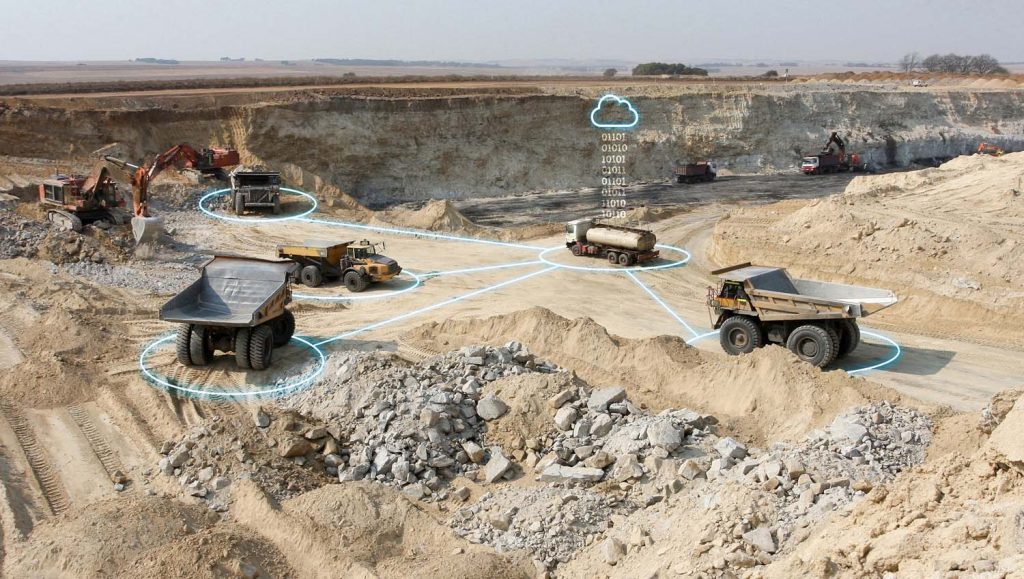
Flexco partnered with Twisthink to develop Elevate™, a connected monitoring system that helps mining operations predict conveyor maintenance before failures occur. To operate reliably in remote, harsh environments, the solution combines edge processing, cloud connectivity, and durable hardware to deliver insights while minimizing bandwidth and preserving battery life.
Reach customers your cloud-only competitors can't.
Frequently Asked Questions
FAQs
Q: When should a connected product process data at the edge instead of the cloud?
A: A connected product should process data at the edge when it needs to respond quickly, keep working without reliable internet access, limit the amount of data leaving a site, or meet customer requirements for privacy and control. Cloud processing is often better for long-term storage, fleet-wide analytics, centralized management, and applications that combine data from many products.
In many cases, the right answer is a hybrid architecture.