Trust the Data Your Products Generate
Your connected products already generate data. The challenge is turning that data into reliable intelligence your teams, customers, analytics tools, and AI applications can use.
Twisthink designs the device and data systems that turn raw device signals into reliable, contextual information so your customers, teams, and AI systems can use it.
The Challenge
Your connected products generate data, but you cannot trust or use it.
Many companies have years of IoT, telematics, or field data, but the information is spread across disconnected systems, is incomplete, inconsistent, or difficult to access. That creates problems when teams try to build analytics or AI applications on top of it.
Common challenges include:
 Data gaps, duplication, and inconsistent formats
 Separate platforms or silos limit access to necessary data


 Ensuring the right level of security and data access across a wide user base

Better decisions begin with better data.
Turn product and field data into trusted intelligence.
Twisthink helps companies create a reliable data foundation for analytics, AI, and better decision-making.
We begin by understanding the business objective, the decisions the data needs to support, and the workflows it needs to improve. From there, we identify the right data, address quality and access issues, and build the devices or data platforms needed to make it useful.
The goal is not simply to collect or centralize more data.
It is to deliver the right information, with the right context, to the right people and their AI tools.
The Path to
Trusted Product Data
A trusted product data solution connects information across products, platforms, and business systems and prepares it for real-world use.
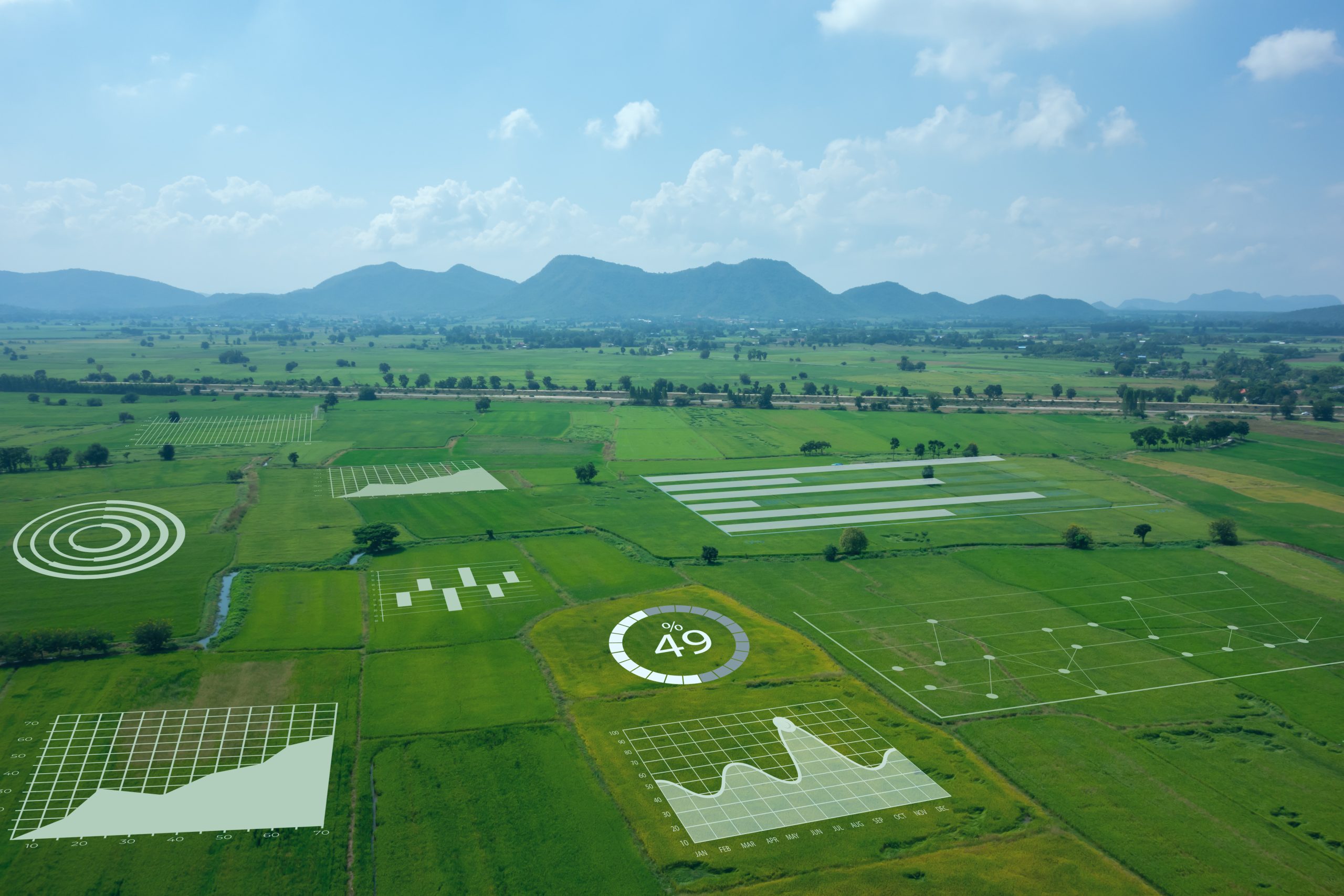
- Understand the objective
- Assess the data
- Connect the sources
- Improve quality and context
- Build a secure data platform
- Deliver actionable insights
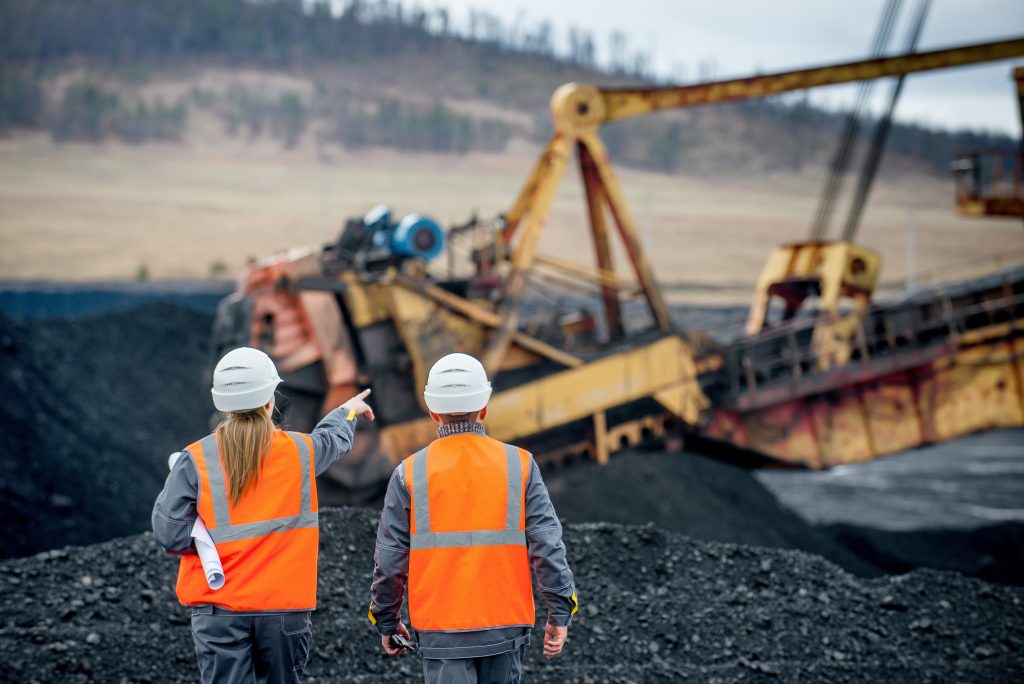
Define the business questions, user needs, and workflows the data must support.
Identify what data exists, where it lives, what is missing, and what needs to improve.

Bring together device data, third-party telematics platforms, enterprise systems, and other relevant sources.

Clean, organize, validate, and enrich the data so it can be interpreted consistently.

Create cloud-based infrastructure that manages data access, storage, processing, and governance as the solution scales.
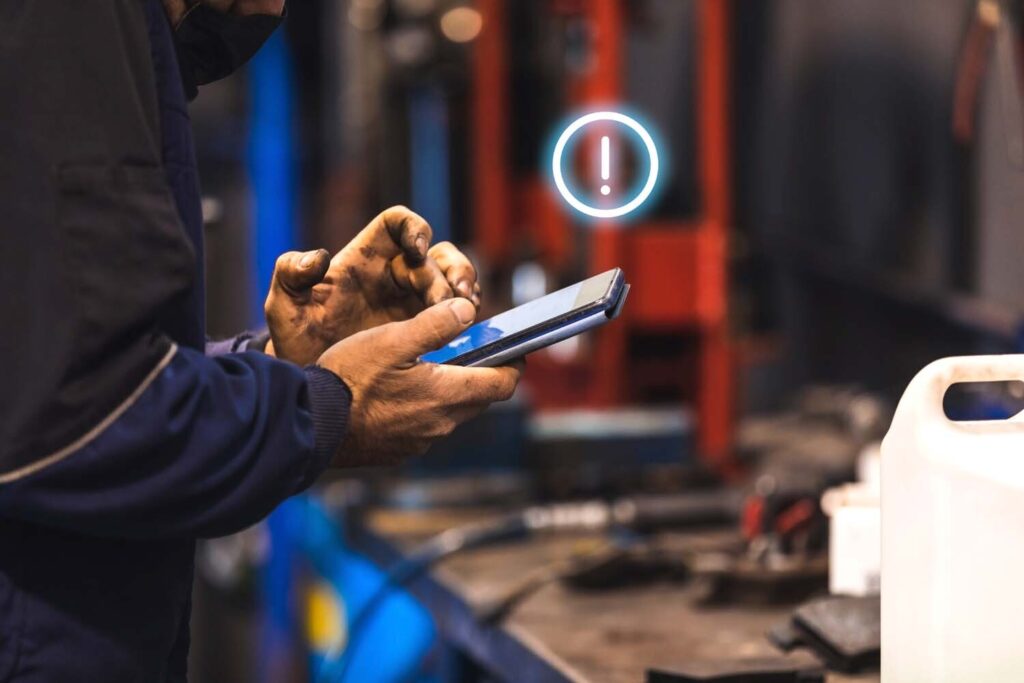
Build analytics, dashboards, alerts, or AI-powered applications that turn the data into useful action.
Our Expertise:
- Data Strategy and Consulting:
Define the data, workflows, and technical foundation needed to support business objectives. - Product and Field Data Assessment:
Evaluate data quality, availability, consistency, and context across connected products and systems. - Cloud Data Platforms:
Build secure, scalable platforms for collecting, processing, storing, and managing IoT data. - Telematics Integrations:
Connect and normalize data from third-party telematics platforms and other external sources. - Enterprise Data Integrations:
Integrate product data with ERP, CRM, service, maintenance, and other business systems. - Data Engineering:
Clean, transform, organize, and enrich raw data so it can support analytics and AI. - AI-Powered Applications:
Build applications that use product and field data to automate tasks, identify patterns, and improve decisions. - User Experience Design:
Turn complex information into clear tools, dashboards, and workflows people can use.
Vermeer telematics platform drives greater efficiency and productivity
Vermeer partnered with Twisthink to transform equipment data into a user-centered telematics platform that helps dealers and equipment owners make better decisions. By researching how people actually use machine data, then designing the cloud architecture, user experience, and web application together, Twisthink turned complex telematics data into clear, actionable insights.
Build AI and analytics on data you can trust.