Monitor More Assets with Less Maintenance
What if your sensors never needed a battery replacement? Imagine monitoring more assets, in more places, without adding another maintenance task.
Twisthink designs low-power and energy-harvesting sensor systems for hard-to-reach assets, reducing battery replacements, wiring, and field service.
The Challenge
Battery replacements make remote monitoring too expensive to scale.
Many companies prove the value of remote monitoring with a successful pilot. Then reality sets in.
As deployments grow, replacing batteries, servicing sensors, and maintaining remote devices quickly becomes one of the largest costs of the entire solution.
Common challenges include:

 Sensors are installed in locations that are difficult or expensive to access
 Wiring is impractical or cost-prohibitive
 Field maintenance reduces the return on investment
 First-generation monitoring systems create more maintenance than expected
Monitor more. Maintain less.
Design monitoring systems that require less maintenance.
Twisthink helps companies rethink how connected sensing systems are powered.
Rather than accepting battery replacement as an unavoidable cost, we evaluate the application, operating environment, and available energy sources to determine the best long-term solution.
Whether that’s ultra-low-power electronics, energy harvesting, or a combination of both, we design systems that collect more data while requiring less maintenance.
The Path to
Low-Maintenance
Sensing
A low-maintenance sensing solution starts with understanding the environment—not simply choosing a battery.
- Understand the application
- Evaluate power options
- Design the complete system
- Optimize power consumption
- Reduce maintenance
- Scale with confidence

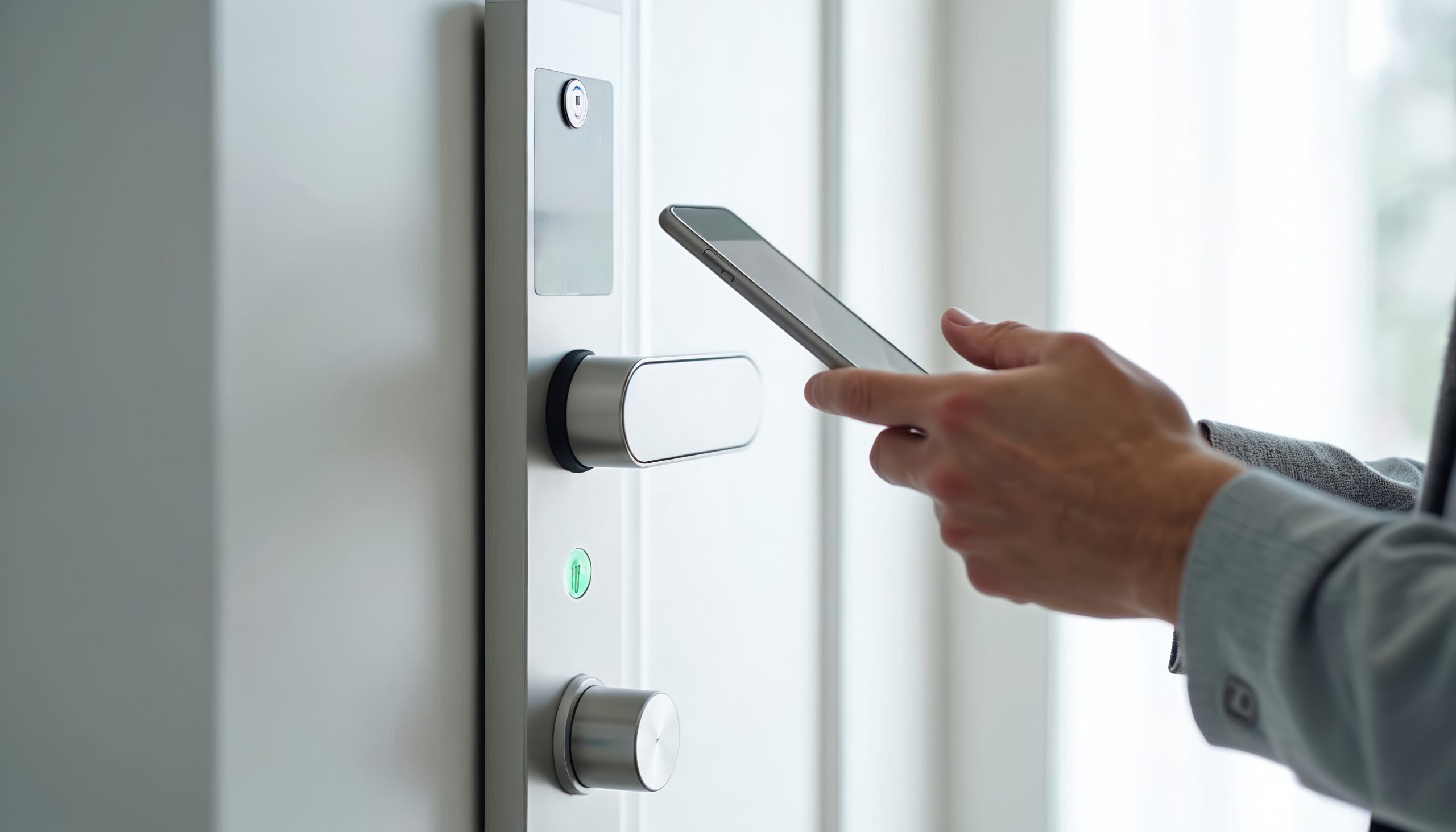
Identify what needs to be measured, how often data is required, and where sensors will operate.
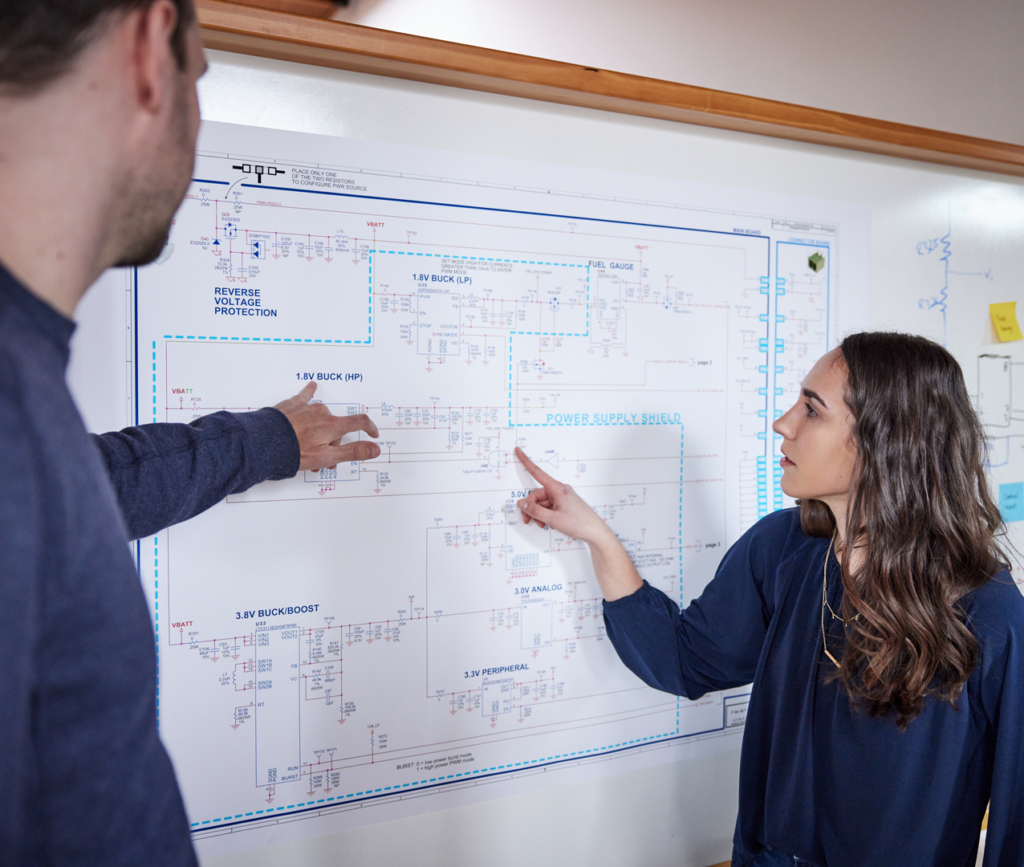
Assess battery life, energy harvesting opportunities, wireless communication, and system tradeoffs.
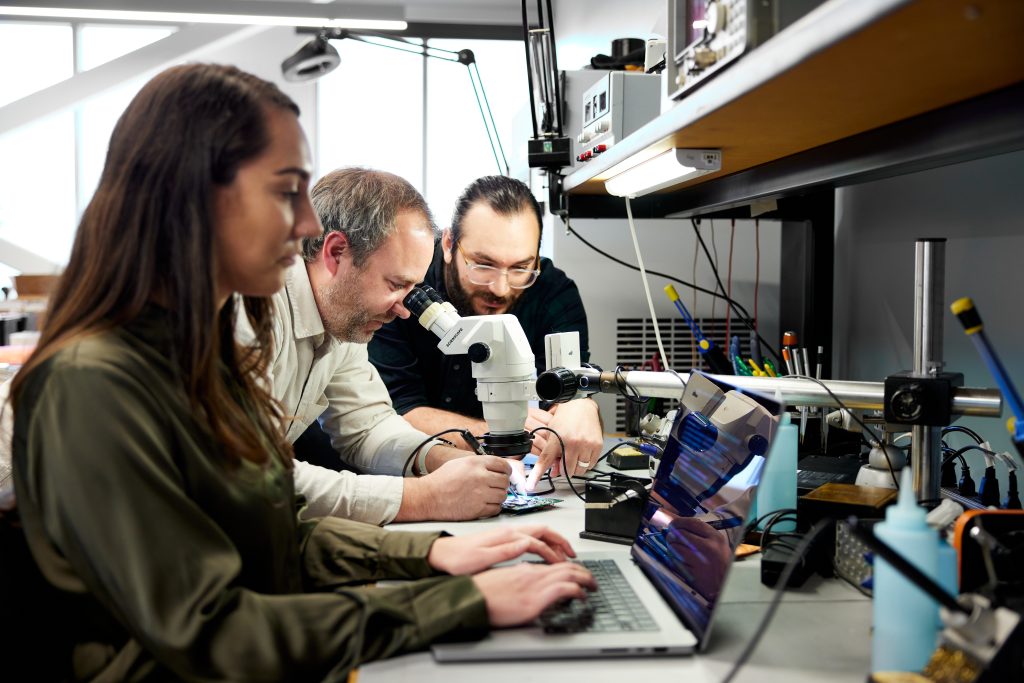
Develop the electronics, embedded software, sensing, and wireless architecture together to maximize efficiency.
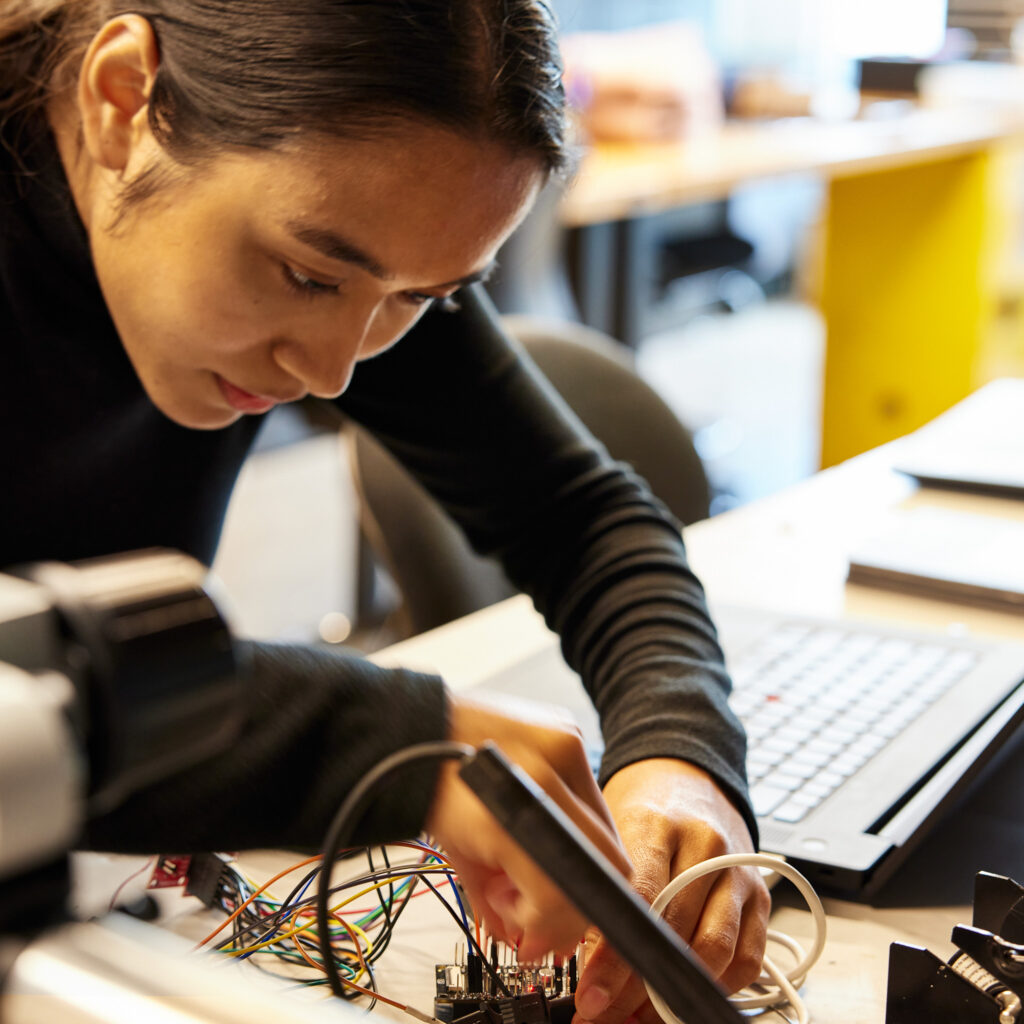
Reduce energy use through intelligent firmware, sleep strategies, and efficient communications.
Minimize battery replacements, eliminate unnecessary service visits, and simplify long-term operation.

Deploy monitoring solutions across hundreds or thousands of assets without creating a maintenance burden.
Our Expertise:
- System Design & Engineering
Design complete sensing systems optimized for long-term reliability and low maintenance. - Low-Power Electronics
Develop custom electronics that maximize battery life and reduce energy consumption. - Energy Harvesting
Capture energy from motion, vibration, light, heat, or other environmental sources when appropriate. - Embedded Software
Optimize firmware and communications to minimize power usage. - Wireless Sensor Development
Design connected sensors for difficult-to-access and demanding environments. - Power Optimization
Balance sensing frequency, communications, and performance to extend operating life.
Charity: water Uses IoT to Keep Clean Water Flowing for Millions
Charity: water partnered with Twisthink to develop an IoT sensing solution that remotely monitors water pumps in some of the world’s most difficult-to-reach communities. Because routine maintenance wasn’t practical, the sensor was designed with a long-life battery capable of operating for up to 10 years while continuously monitoring water flow and alerting teams to potential issues.
Power built to last.
Frequently Asked Questions
FAQs
Q: When is a batteryless wireless sensor a realistic option?
A: A batteryless wireless sensor is realistic when it can collect enough energy from its environment to complete its sensing and communication tasks. Potential sources include light, heat, vibration, motion, radio-frequency energy, and near-field communication.
The use case also needs to tolerate the limits of the available energy. Batteryless devices work best with low-power sensors, short or infrequent transmissions, and a predictable energy source. They are less likely to fit applications that require continuous sensing, sustained wireless connectivity, or frequent high-power measurements.
Q: How do I know whether my device or use case can support energy harvesting?
A: The starting point is a power model that compares how much energy the device can generate with how much it will consume during sensing, processing, storage, and communication. That model should account for worst-case conditions, not just nominal performance. Many concepts appear feasible under ideal conditions but fail when the energy source weakens, temperatures change, or communication takes longer than expected.
If the model shows promise, the next step is to measure actual energy generation and consumption. Real-world testing often exposes losses, variability, and operating conditions that were not fully captured in the original model.
Q: What are the best ways to improve battery life for a wireless device?
A: Long battery life requires a system-level approach. It is rarely controlled by one component or a single operating condition.
Engineering teams often focus first on current draw while the device